A child may practise the same passage many times and still struggle to keep a steady rhythm, remember what comes next, or continue after making a mistake. In our experience at C&K Music Studio, this is not always caused by a lack of effort. Often, the student has not yet learned how the music is...
Music Theory for Beginners: Why It Matters for Young Musicians
July 17, 2026
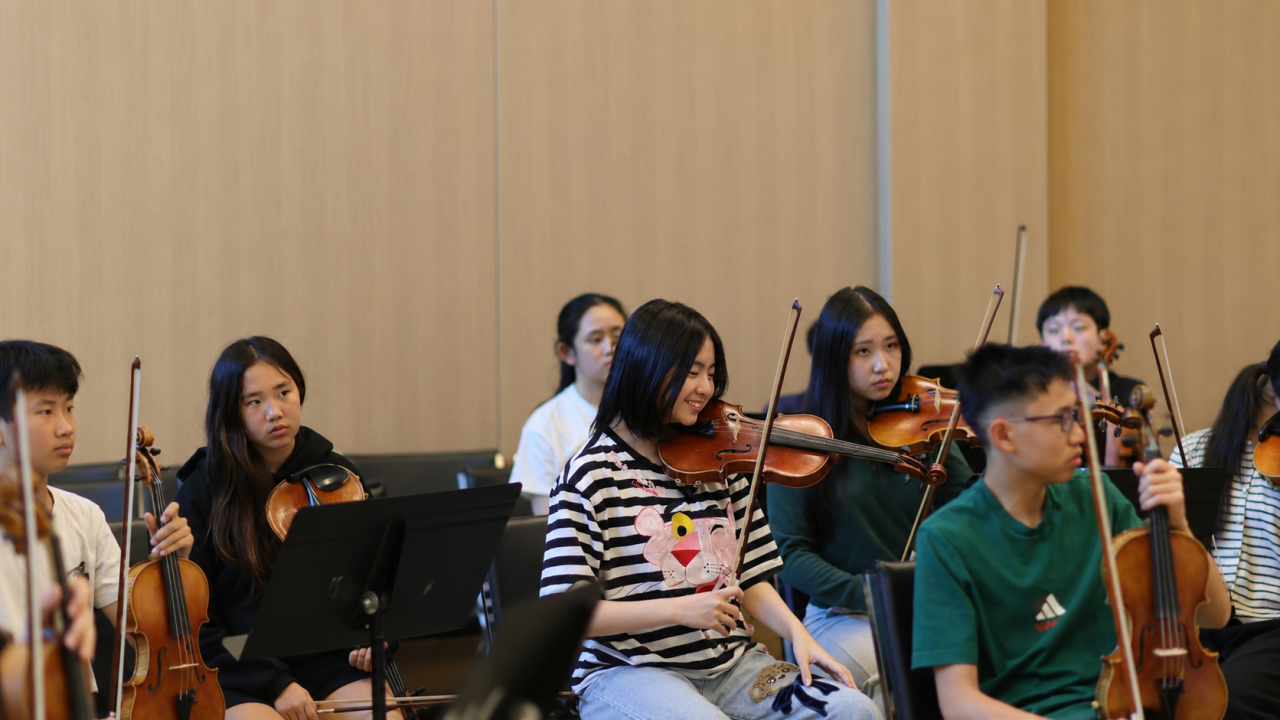
A child may practise the same passage many times and still struggle to keep a steady rhythm, remember what comes next, or continue after making a mistake. In our experience at C&K Music Studio, this is not always caused by a lack of effort. Often, the student has not yet learned how the music is organized.
This is where music theory becomes valuable.
Music theory connects the notes students see with the sounds they hear and the movements they make on their instrument. At C&K Music Studio, we introduce theory through music the student is already learning, so it becomes a practical part of playing rather than a separate workbook subject.
What Is Music Theory?
In simple terms, music theory explains how music works.
It includes written elements such as notes, rests, clefs, time signatures, and key signatures. It also explores how sounds relate to one another through scales, intervals, chords, rhythm, harmony, and musical form.
Learning music theory is not simply about memorizing definitions. It gives students a framework for understanding what they hear and play.
Music Theory Basics Every Beginner Should Learn
Music theory for beginners usually starts with several essential concepts.
Notes, Staves, and Clefs
Students learn where notes are placed on the staff and how a clef determines their pitch. They also connect each written note with its sound and location on the instrument.
Beat, Rhythm, and Meter
Basic music theory introduces note values, rests, measures, and time signatures. Counting aloud, clapping, and moving to the beat can help children understand rhythm before applying it to an instrument.
Scales and Key Signatures
Scales show how notes are organized within a key. Key signatures tell students which notes will regularly be sharp or flat throughout a piece.
Students can then recognize how scale patterns appear in melodies, fingerings, and different sections of a piece.
Intervals and Chords
An interval is the distance between two notes. Chords show how several notes work together to create harmony.
These concepts help students understand melodic movement and accompaniment instead of viewing each note as an isolated symbol.
Phrases and Musical Form
Music is organized into phrases and larger sections. Some ideas repeat, while others create contrast or lead the music in a new direction.
Understanding form gives students a clearer view of how an entire piece is constructed.
Why Is Music Theory Important in Instrument Lessons?
The real value of music theory appears when students apply it during lessons and practice.
More Efficient Reading and Practice
Students who understand rhythm, intervals, keys, and musical structure can approach a piece in larger, meaningful units. They do not have to decode every note separately.
This also makes practice more focused. Instead of repeating a difficult section without knowing what went wrong, a student can ask:
- Does this passage follow a scale?
- Has this rhythm appeared earlier?
- Is the accompaniment repeating the same chord?
- Did the key signature change?
- Is this phrase similar to the previous one?
These observations help students identify problems and remember how different sections fit together.
More Thoughtful Musical Expression
Phrases, cadences, harmony, and musical form help students understand where the music is moving and where it comes to rest.
This understanding allows dynamics and articulation to feel purposeful rather than added mechanically. A student is no longer playing louder or softer only because a symbol appears on the page. The change supports the direction of the music.
How Music Theory Supports Piano and Violin Beginners
The same theory concepts support different instruments in different ways.
In piano lessons for beginners, the keyboard makes many musical relationships easy to see. Students can observe the repeating arrangement of notes, the distance between intervals, and the shape of scales and chords. Theory also helps them read the treble and bass clefs together on the grand staff and understand how the right and left hands perform different musical roles.
In violin lessons for beginners, theory supports pitch awareness, fingering, rhythm, and listening. Understanding intervals and key signatures helps students anticipate finger placement and recognize whether a note is too high or too low. Knowledge of rhythm and phrasing also guides how the bow moves through a musical line.
When Should Children Start Learning Music Theory?
Children do not need to wait until they reach an advanced level.
Music theory for children can begin in the first lesson, although it may not initially involve formal written exercises. A young beginner can clap a steady beat, distinguish between high and low sounds, identify repeated musical ideas, and learn that written symbols represent different sounds and durations.
As the student develops, the teacher can gradually introduce formal terminology and written work.
For younger children who are not yet ready for individual instrument study, a structured music enrichment class can introduce rhythm, pitch, listening, movement, and notation in an age-appropriate way.
Does a Child Need Musical Talent to Learn Theory?
No. Music theory is a skill that can be taught and developed.
Some children understand a concept quickly, while others need more practical examples. Theory gives students a structured way to understand music even when recognition does not come instinctively. Consistent teaching and practice are more important than how quickly a child learns the first time.
Music Theory and the RCM Learning Path
The Royal Conservatory describes theory as an essential part of well-rounded musical training because it strengthens musical understanding and supports practical study. Its Music Theory Studies progress from foundational music literacy to harmony, analysis, history, and advanced musicianship.
For students following the RCM pathway, theory develops alongside practical study. Early note reading, rhythm, scales, and intervals lead into intermediate theory, harmony, analysis, and more advanced musicianship.
At C&K Music Studio, theory instruction is integrated into the student’s broader learning path rather than introduced only when an examination deadline approaches. Students can build their knowledge gradually as they progress toward RCM Level 10 and, where appropriate, ARCT-level studies.
This approach also allows the theory program to reflect each student’s age, instrument level, pace of learning, and long-term goals.
How Parents Can Support Music Theory at Home
Parents do not need a musical background to reinforce music theory basics.
During practice, try asking a few simple questions:
- Can you clap the rhythm before playing it?
- What key is the piece in?
- Does this section appear anywhere else?
- Where does the musical phrase come to rest?
Short, regular review is usually more effective than one long theory session. A few minutes of focused discussion can help children become more aware of what they are playing.
Building Theory into a Child’s Music Education
Music theory should develop alongside technique and repertoire. When introduced at the right pace, it becomes a useful tool that supports every stage of a student’s musical education.
Learn more about C&K Music Studio’s RCM Music Theory Courses, or contact our team to determine the right theory level for your child’s current instrument studies and long-term RCM goals.
FAQ
What is music theory in simple terms?
Music theory explains how music is written and organized, including notes, rhythm, scales, chords, keys, and musical structure.
Is music theory difficult for beginners?
Music theory is usually manageable when concepts are introduced gradually and demonstrated through music the student can hear and play.
At what age should a child start learning music theory?
Theory can begin as soon as a child starts engaging with music. Young beginners may first learn through listening, movement, counting, and simple musical symbols.
Do piano and violin students both need music theory?
Yes. Piano students apply theory to keyboard patterns, harmony, and reading the grand staff. Violin students use it to support pitch, fingering, rhythm, key signatures, and phrasing.
Should music theory be taught separately from instrument lessons?
At the beginner level, theory can often be integrated into instrument lessons. As students enter intermediate and advanced RCM levels, separate music theory lessons may be helpful for written theory, harmony, analysis, and examination preparation. The right approach depends on the student’s level and learning goals.
